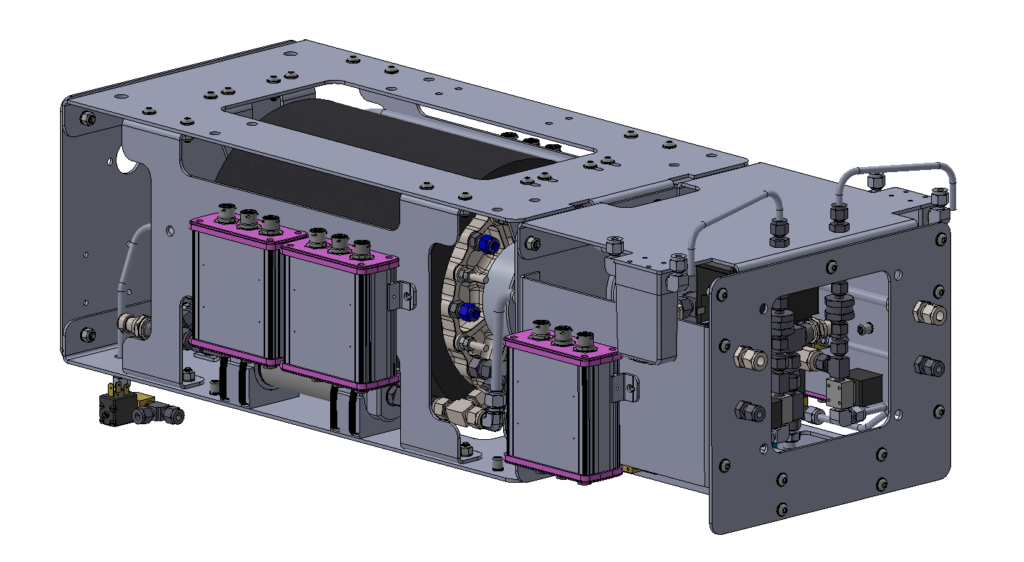
Subsea Persistence: Air-Independent Energy for Autonomous Underwater Vehicles
Extending underwater mission endurance from hours to weeks with silent, high-density fuel cell power plants built for the deep ocean.
Overcoming the Endurance Gap
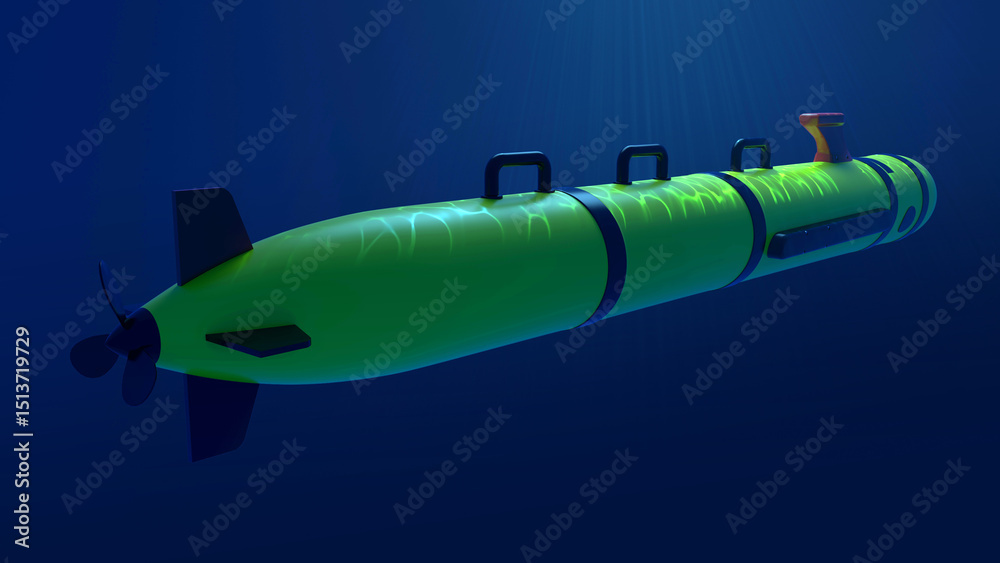
True autonomy for Unmanned Underwater Vehicles (UUVs) and Autonomous Underwater Vehicles (AUVs) has long been constrained by power. Traditional lithium battery systems suffer from severe energy density limitations, restricting underwater drones to short-range transits and shallow, brief mission profiles.
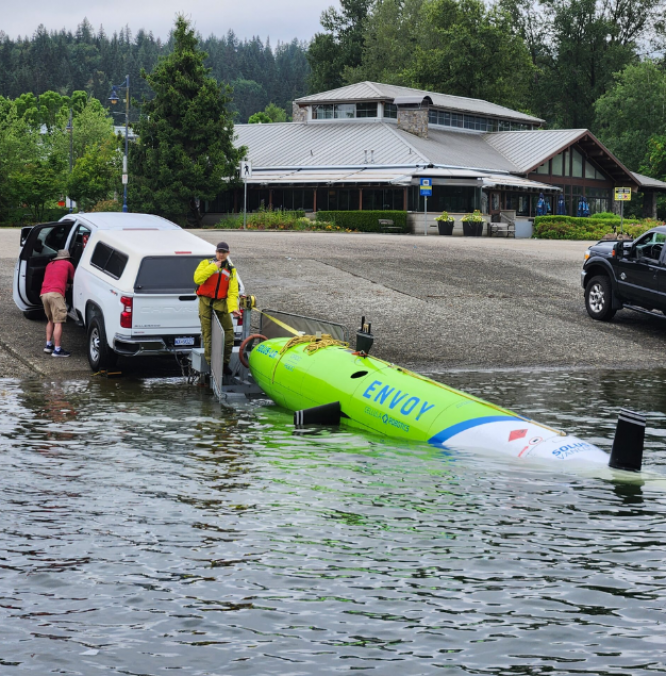
Developing long-duration UUVs capable of multi-week or multi-month independent operation is a critical priority for defense, commercial oil exploration, and oceanographic research. Infinity’s air-independent fuel cell systems decouple power generation from reactant storage, allowing energy capacity to scale seamlessly with custom reactant tanks. This delivers the extreme energy density required to achieve true, untethered vehicle autonomy.
Core Applications
1. Defense & Naval Intelligence Operations
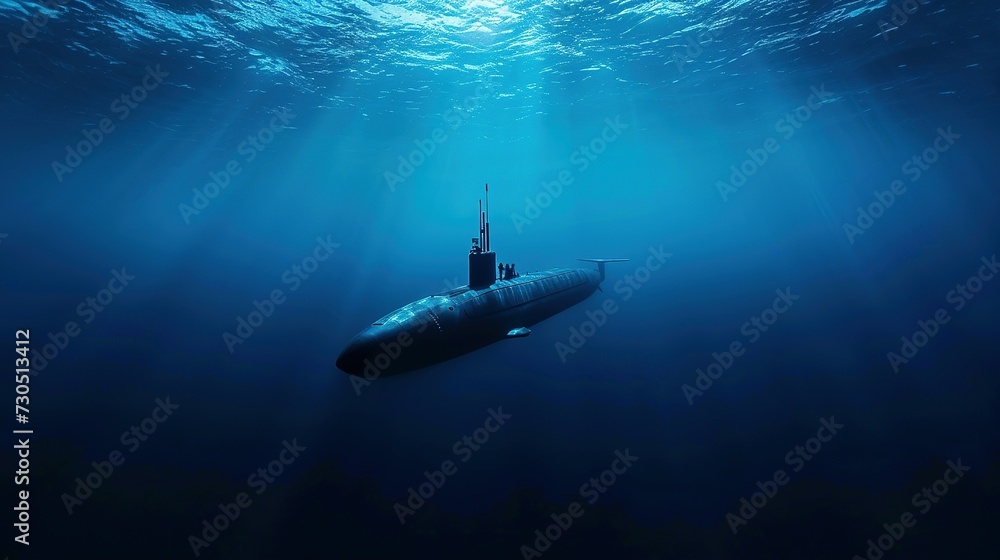
The Mission: Supports tactical surveillance, anti-submarine warfare, and underwater scouting missions with a completely silent acoustic profile that evades detection while streamlining military logistics.
2. Commercial Off-Shore Oil & Gas Exploration
The Mission: Enables untethered, deep-sea pipeline inspections, bathymetric surveying, and structural monitoring of seafloor wellheads without requiring an expensive, carbon-intensive surface mother ship to stay continuously tethered overhead.
3. Long-Duration Oceanographic Research
The Mission: Allows scientific research groups to launch autonomous drones for multi-thousand-kilometer transits to map marine ecosystems, track deep-current thermal variations, and monitor oceanic health indicators over months of uninterrupted data collection.