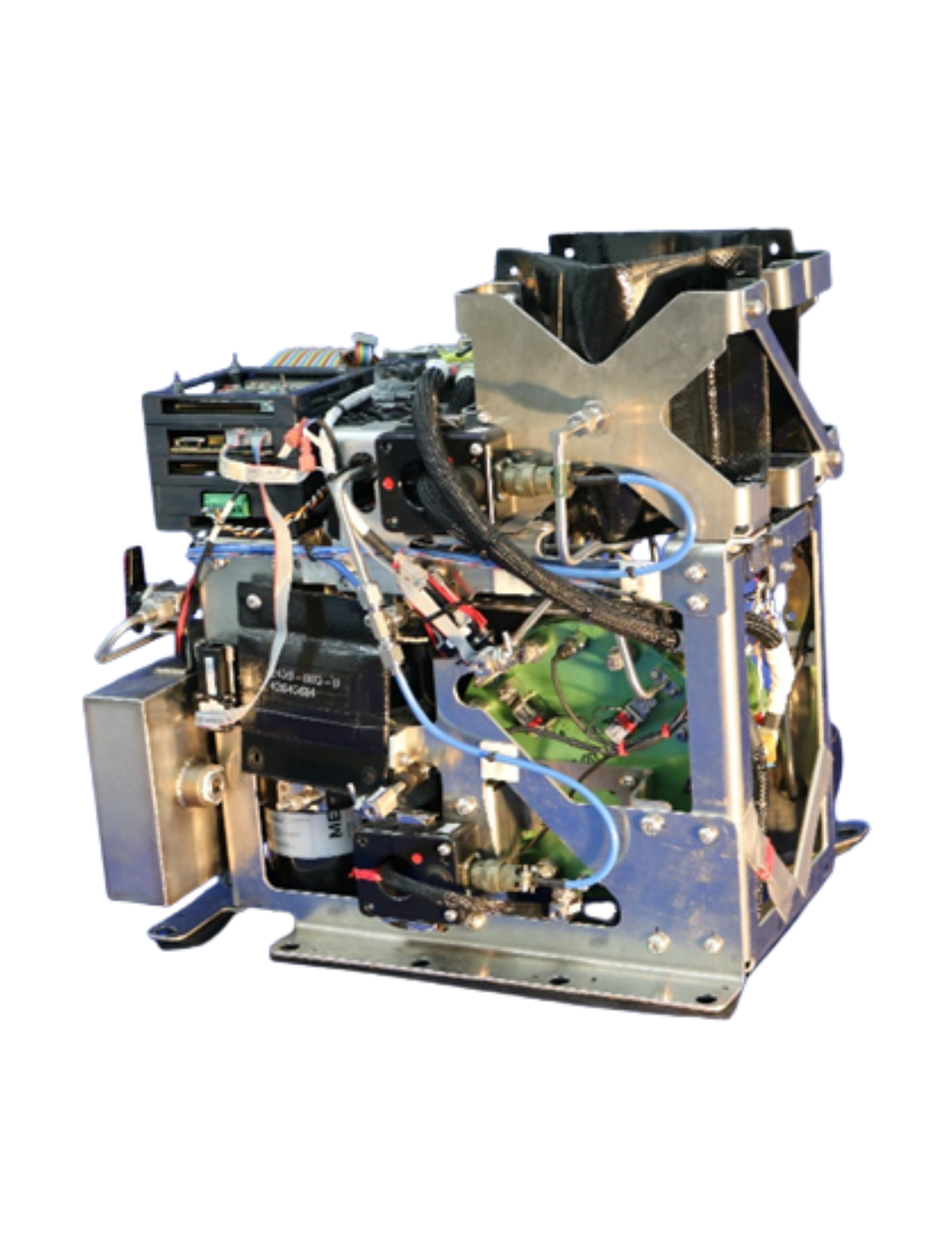


Utilizes Infinity’s patented Advanced Product Water Removal (APWR) system. By completely eliminating internal pumps and moving mechanical parts, the system ensures 100% silent operation with a minimal acoustic and vibration signature, a critical parameter for sensitive naval and oceanographic operations.

Unlike batteries, which steadily self-discharge and lose critical energy in cold ocean-floor environments, Infinity’s fuel cells experience zero self-discharge when turned off. This allows a UUV to launch, transit to a destination, hibernate on the sea floor for long durations, and turn back on to complete its mission without losing stored energy.

The system’s compact, optimized footprint (12” W x 9.875” H x 34” L) is specifically engineered to slide cleanly into standard subsea pressure hulls, minimizing the need for expensive, custom vehicle redesigns.
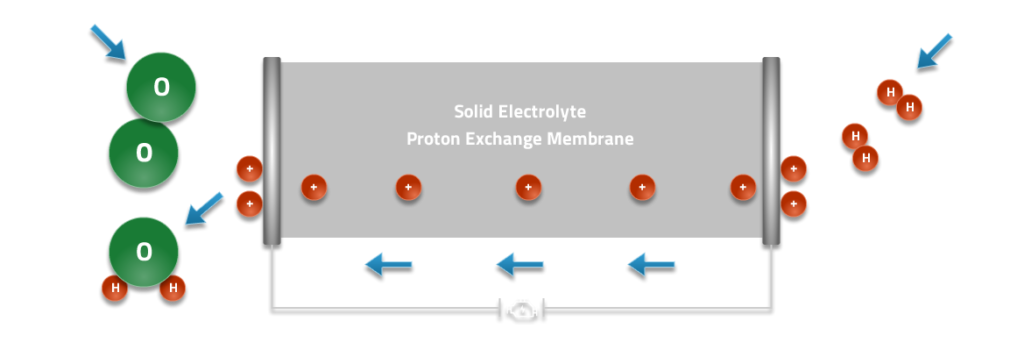
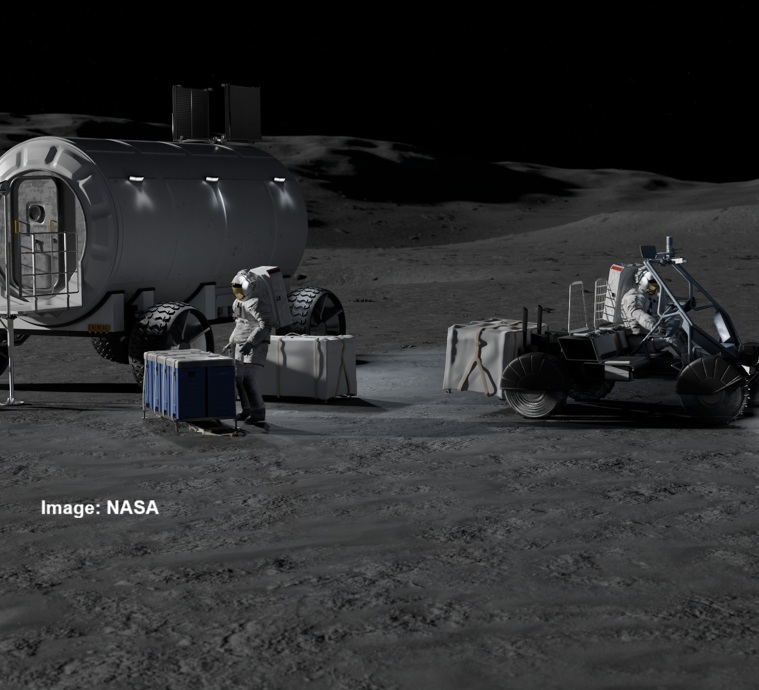
AMPES operates as a fully closed-loop regenerative fuel cell system, storing renewable energy produced by Infinity’s electrolyzers as hydrogen and oxygen before converting it back into electricity when needed. Its self-contained architecture enables dependable, zero-emission power generation without releasing exhaust or requiring outside atmospheric air.
Developed through NASA's Space Technology Mission Directorate Tipping Point Program, AMPES successfully completed two consecutive Blue Origin New Shepard flight missions (NS-23 and NS-24), demonstrating reliable operation during launch, microgravity, and emergency abort conditions.
Infinity's patented Advanced Product Water Removal (APWR) technology eliminates internal pumps and moving mechanical components, increasing system reliability while minimizing parasitic power losses. Combined with an integrated thermal management system and enclosed reactant storage, AMPES is engineered for the demanding requirements of spaceflight.
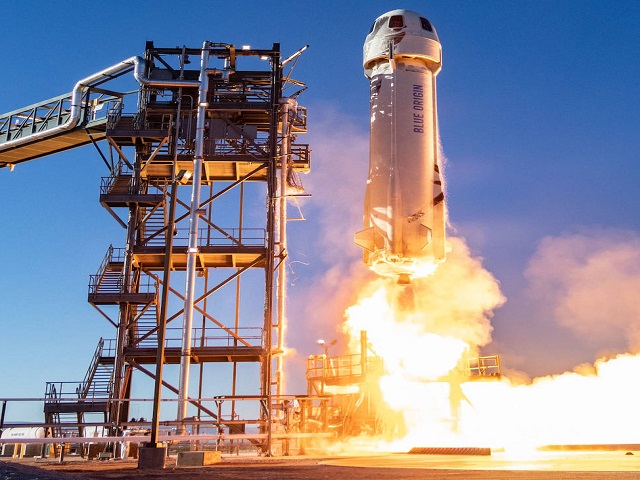
AMPES reached Technology Readiness Level (TRL) 6 through NASA’s Tipping Point Program and successfully demonstrated reliable performance aboard two Blue Origin New Shepard missions. Environmental testing included thermal vacuum, shock and vibration, and electromagnetic compatibility validation at NASA Johnson Space Center, confirming readiness for demanding aerospace environments.